Pamplin
First up was Pamplin - a civil war battlefield outside of Petersburg (just south of Richmond). We happened to end up getting there on the weekend of their civil war reenactment, so we got to see some incredible stuff that you don't normally see there. It was a lot of fun, and was a great start to the vacation.
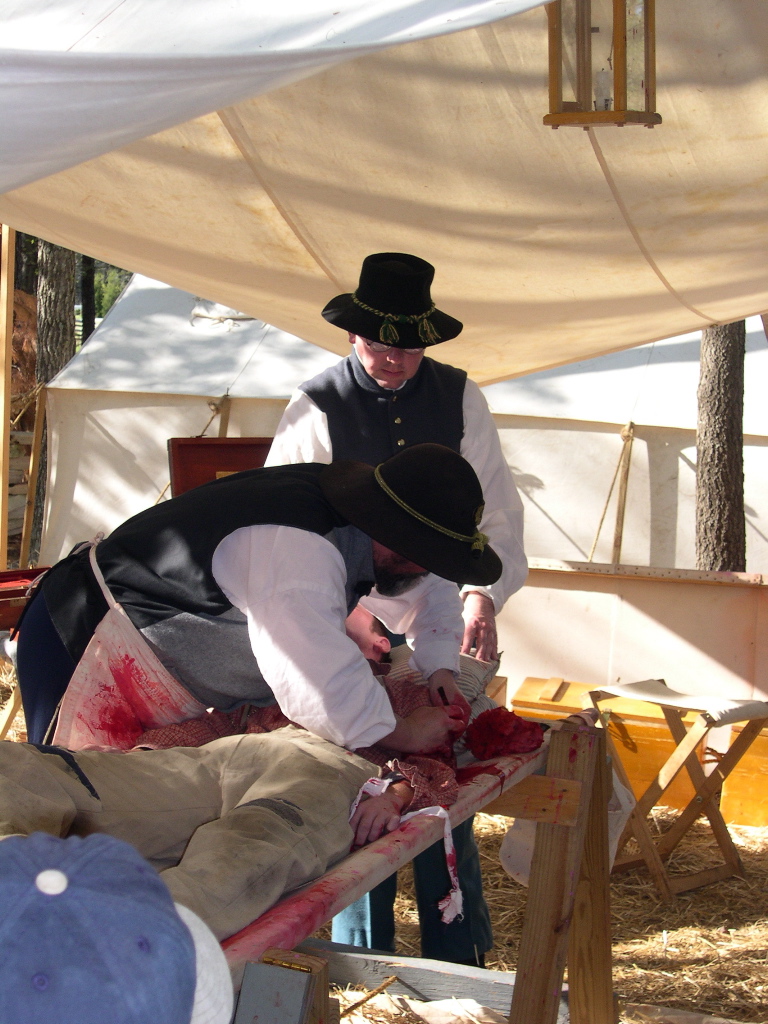
A re-enactment of a civil-war era amputation. Since they didn't know anything about infections, they believed that pus was a *good* thing, and after performing any surgery they would often pour sugar on the wound to encourage pus formation. Yuck.
Williamsburg
Next we went to Colonial Williamsburg. I'm told that it's much more commercial than it used to be, but from what I can tell, everything was done very well. Things are very well organized, there's a lot to do (and a ton of well-trained people to make it more interesting), and they do as well as you could expect them to do in making things seem period, walking down main street, which is difficult when hundreds of modern-dressed tourists are wandering around.
Colonial Williamsburg takes you back to the year 1774, only 2 years before our independence. At this point, the southern colonies still think the Bostoners were going overboard (pardon the pun) by throwing tea into the harbor, but the taxes and constant coddling from England are really starting to chafe. Tensions run high, and it won't be too much longer before the king orders the Governor to remove the gunpowder from the magazine out of fear, which only pushes the colonists to the side of the radical Bostonians.
(Sorry, I have to say this.) The rest is history.
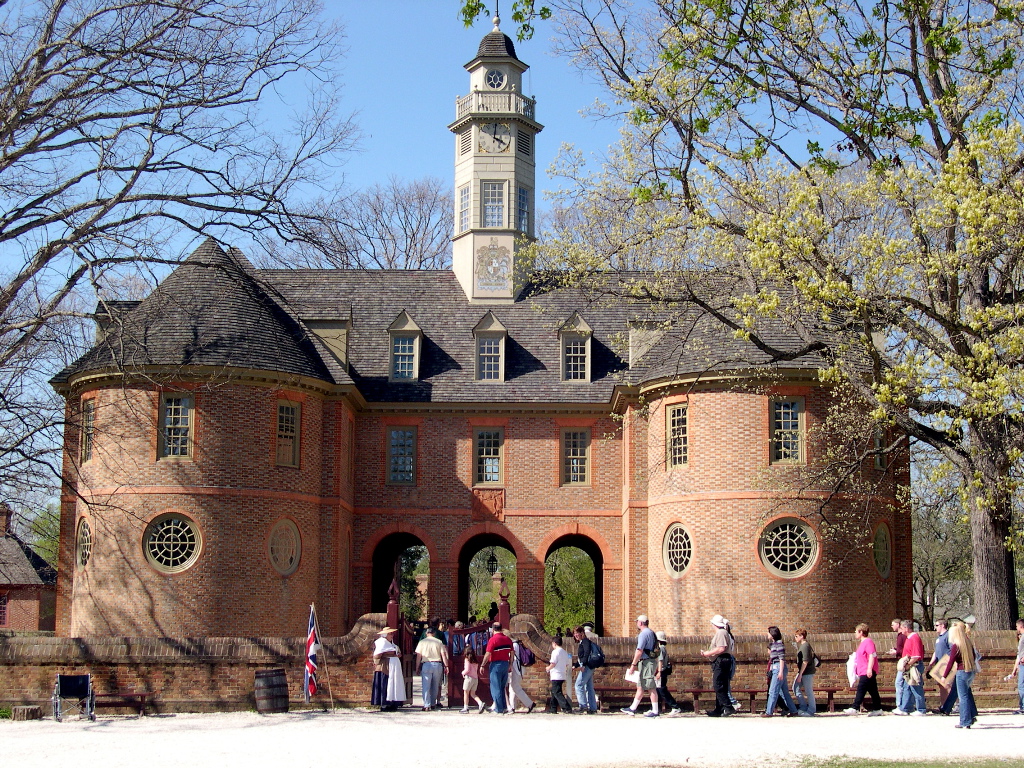
The capitol building. Williamsburg was the capitol of the King's colony of Virginia, and was the capitol of Virginia still for a short period after independence was declared. They later moved it (the capitol, not the building) inland to Richmond from fear of England's formidable navy.
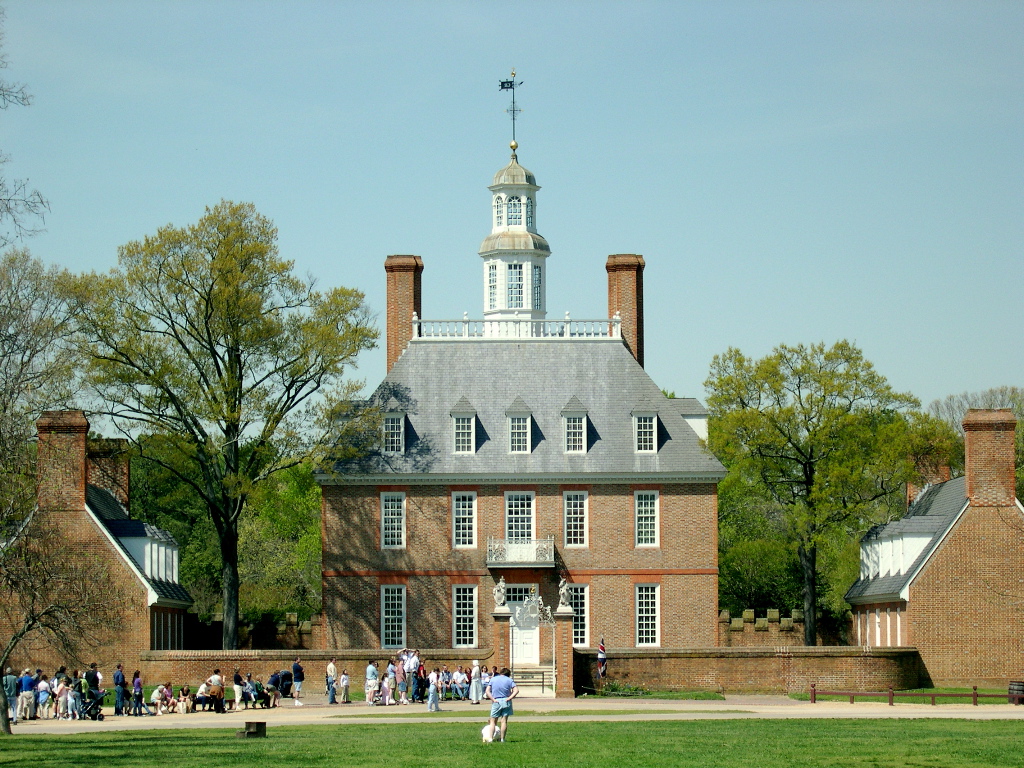
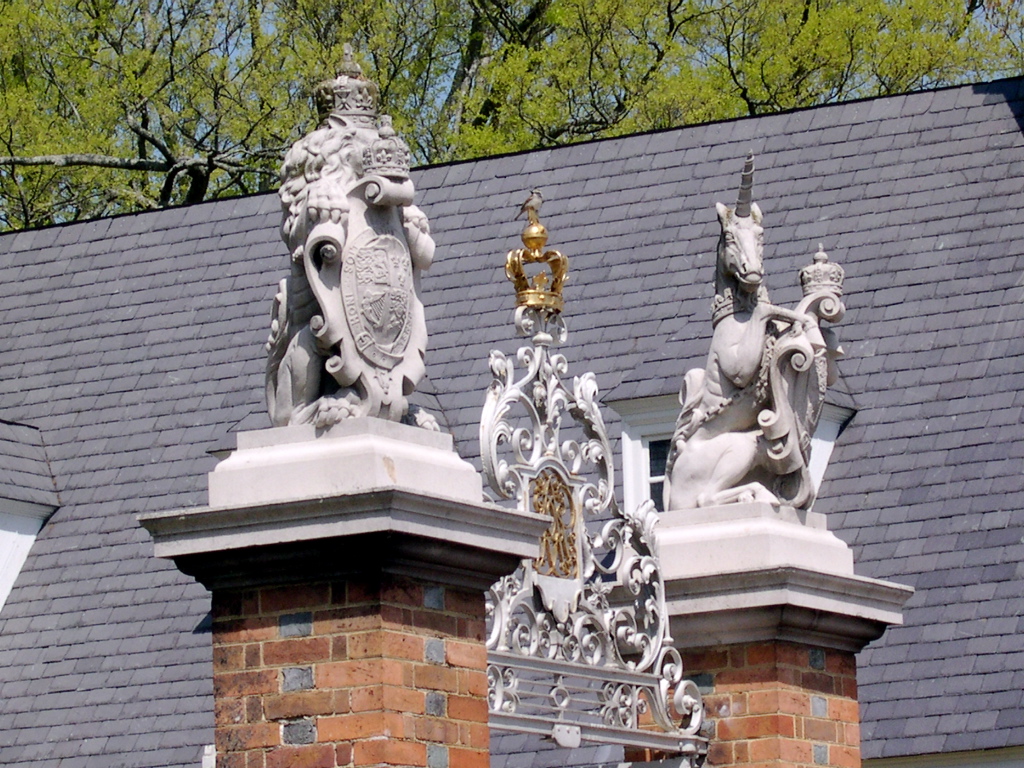
This is the Governor's palace. You will notice the lion and the unicorn above the gate entering the grounds. The lion and the unicorn is the symbol of the British empire; they often put reminders of who is in power on their government buildings in the colonies.
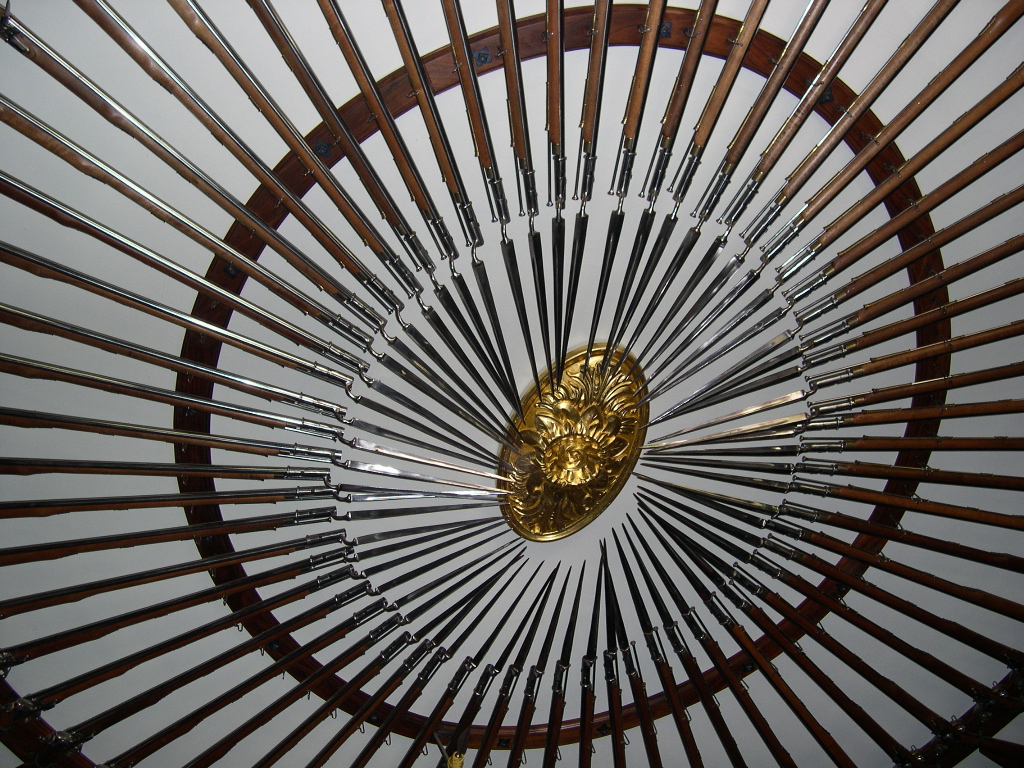
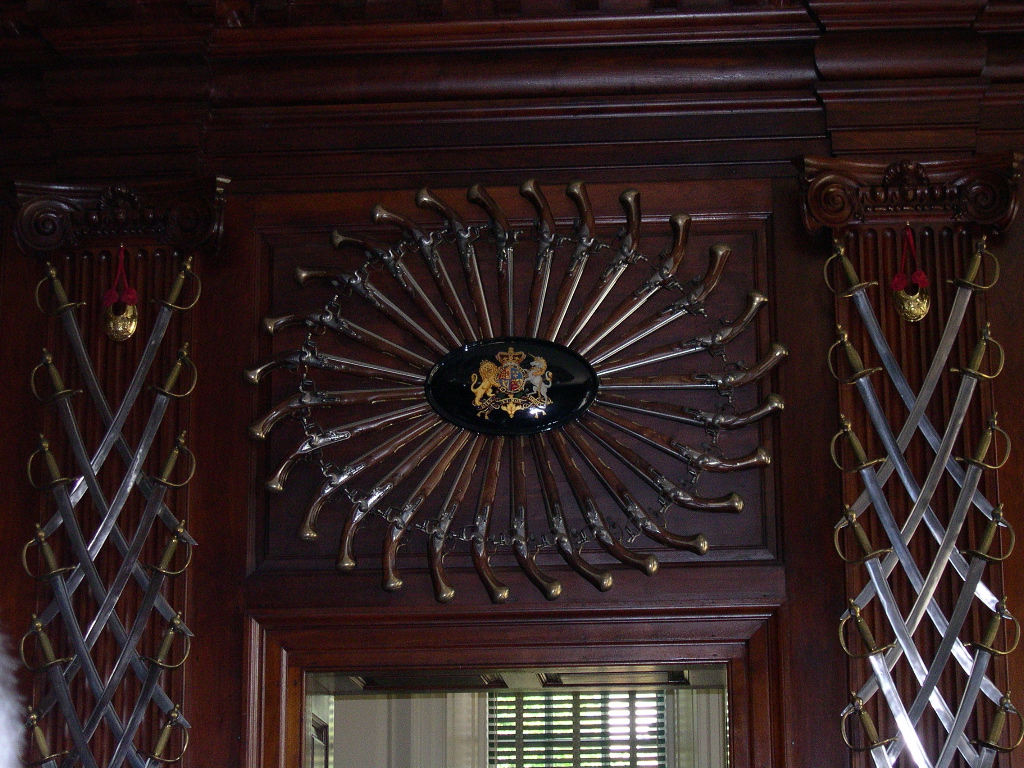
In the entrance of the Governor's mansion, there are hundreds of guns on the walls. These were, of course, to show the Governor's power and influence. When the tour walked into the building, everyone immediately started taking pictures of the guns. They lined the walls and really were impressive. Ironically, if you were a commoner, you wouldn't have given the guns a second look -- you'd have instead looked down and immediately noticed the marble floors, the first in the colonies.
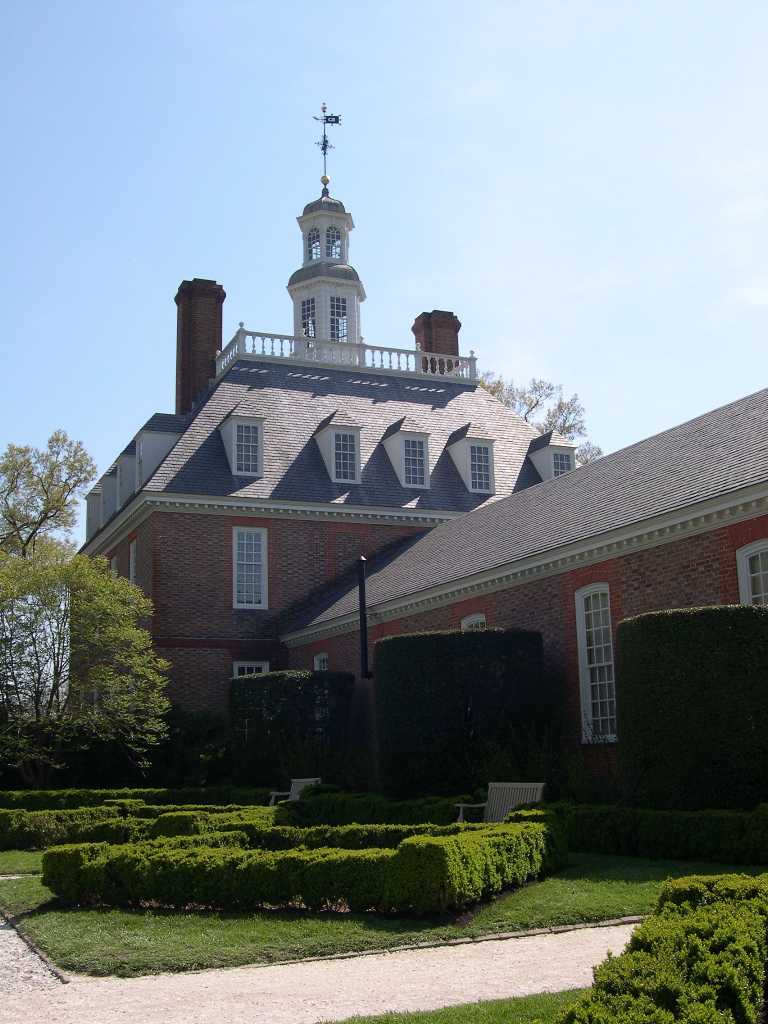
A rear view of the Governor's mansion.
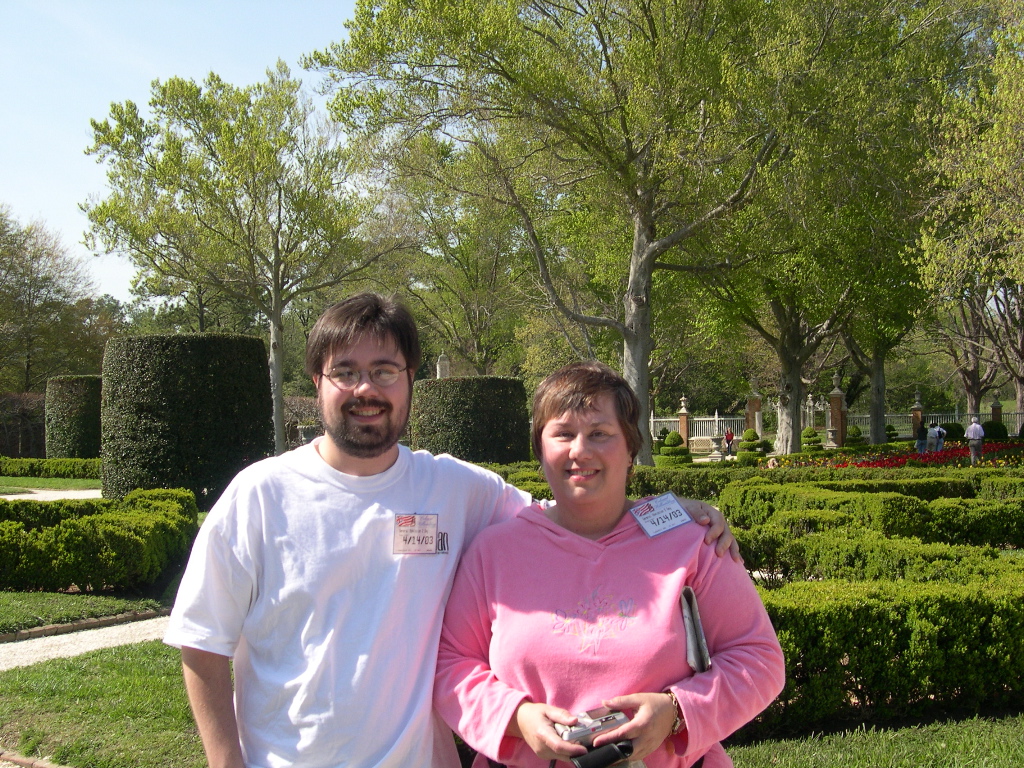
Mom and I in the garden behind the Governor's mansion.
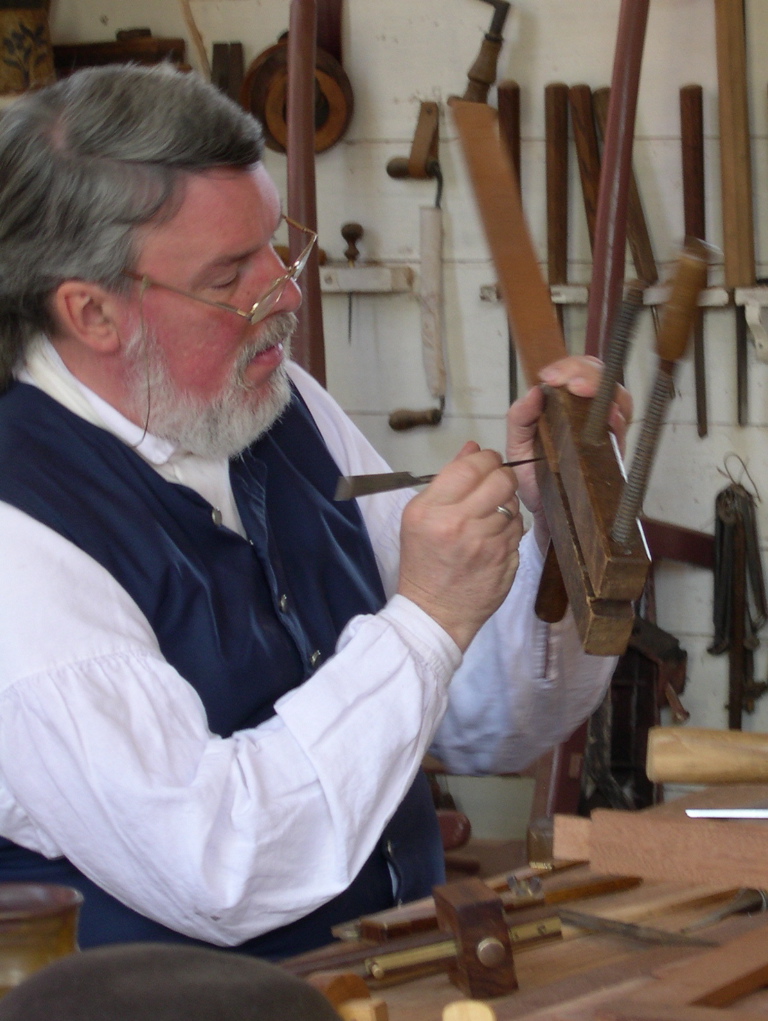
Behind the Governor's mansion there was a carriage house with some craftsmen making and repairing wheels for carriages. The guys working here were pretty interesting. They also mentioned that it turns out Roy Underhill (the guy who works himself to the bone on The Woodwright's Shop on PBS) was the master housewright at Colonial Williamsburg and has a home there. It makes sense, really...
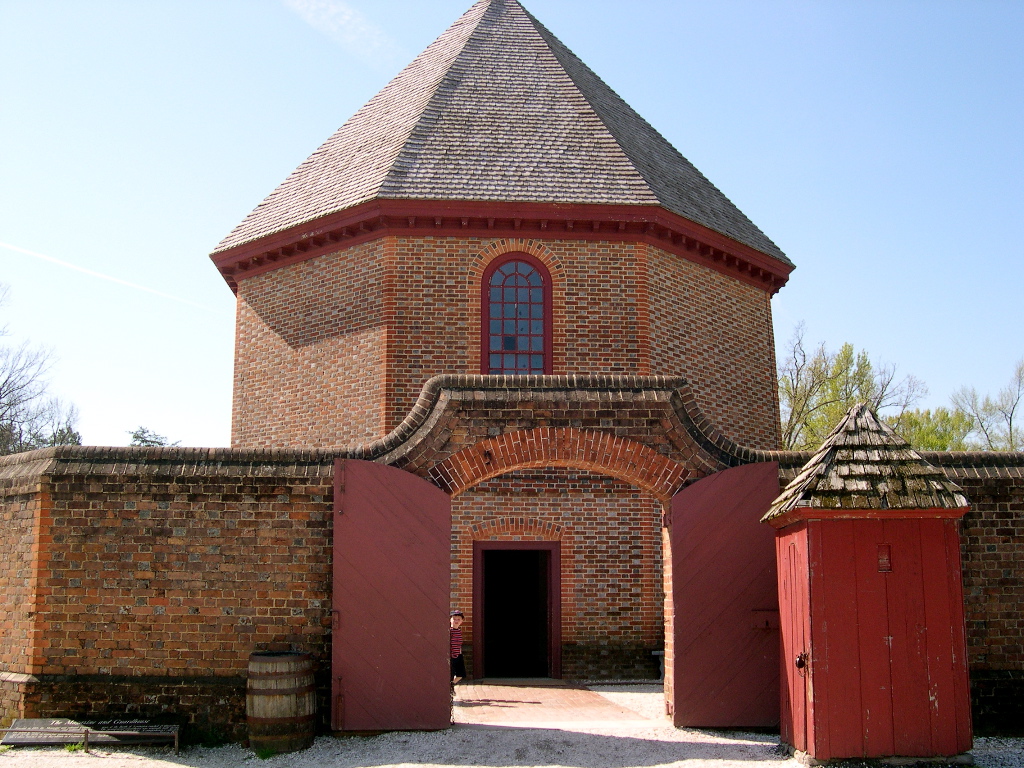
This is the magazine (colonial parlance for "warehouse"). It was used to store the weapons used by the Virginians if they were to be called to arms in the King's service. The governor just happened to fail to clean the magazine out before returning to England when the colonies declared independence, so the weapons stored here were used by colonial musketmen.
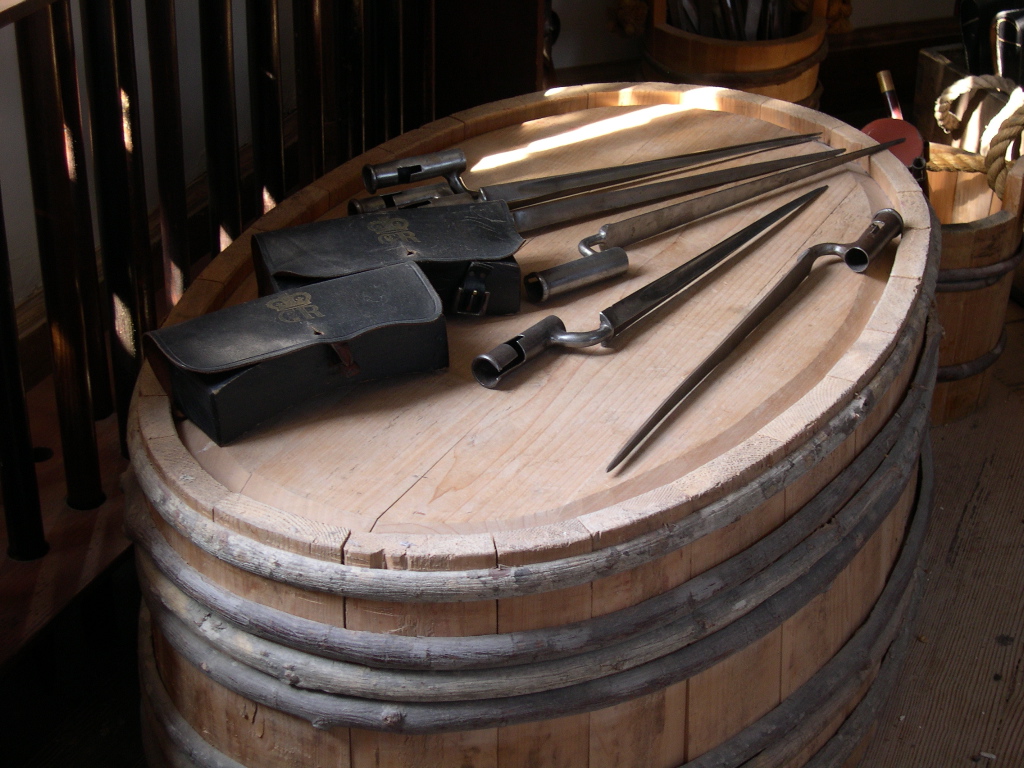
Bayonets for muskets in the magazine.
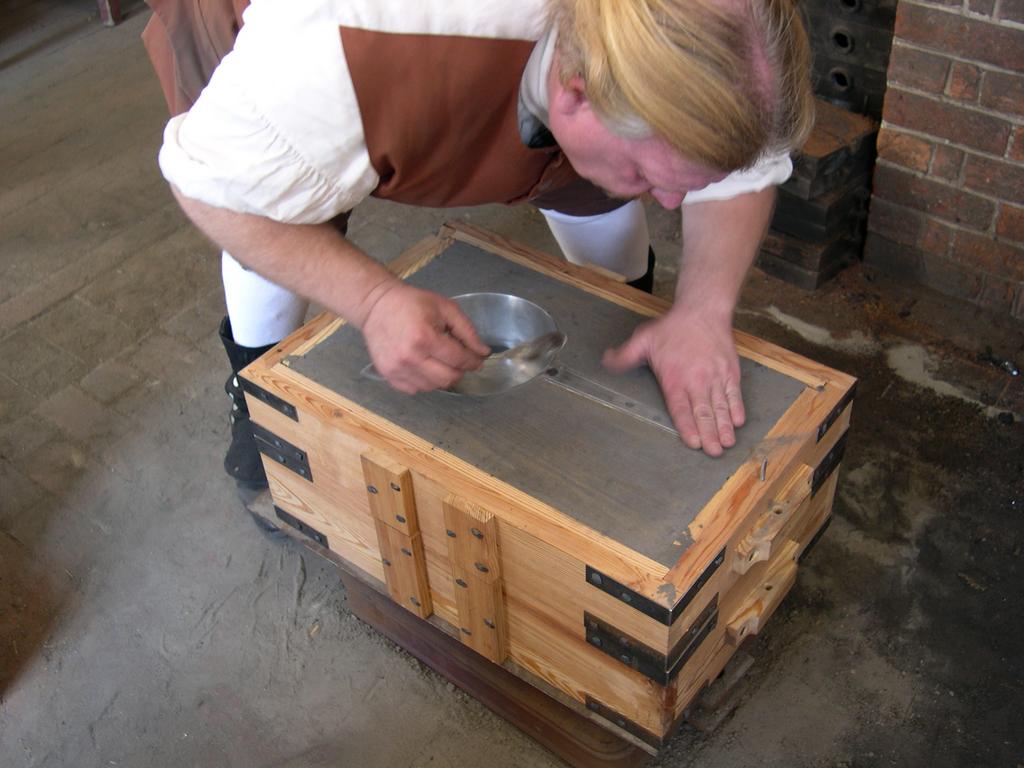
Here we see a pot being made. At this point they're making a mold using native Virginia clay; in the next couple of days they will be turning this into a cast that can be used and re-used.
Norfolk
We took a short jaunt east to the coast, the city of Norfolk. There we saw the U.S.S. Wisconsin, a battleship that was in service from World War II through the Gulf War.
A shot down the ship from the fore deck.
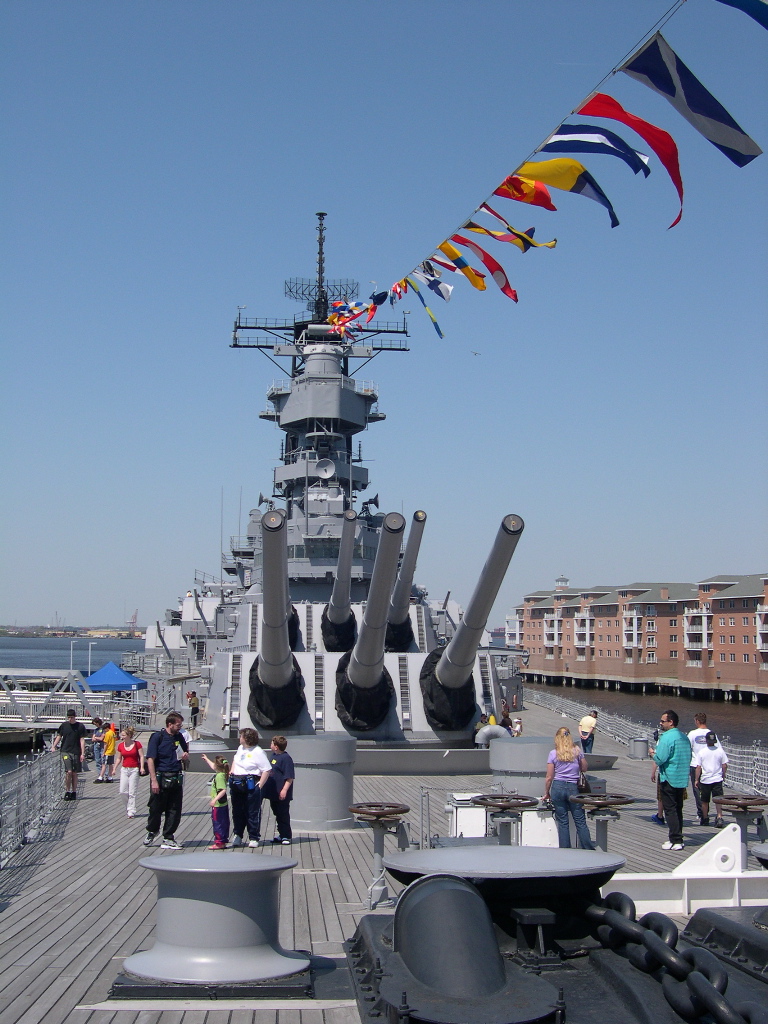
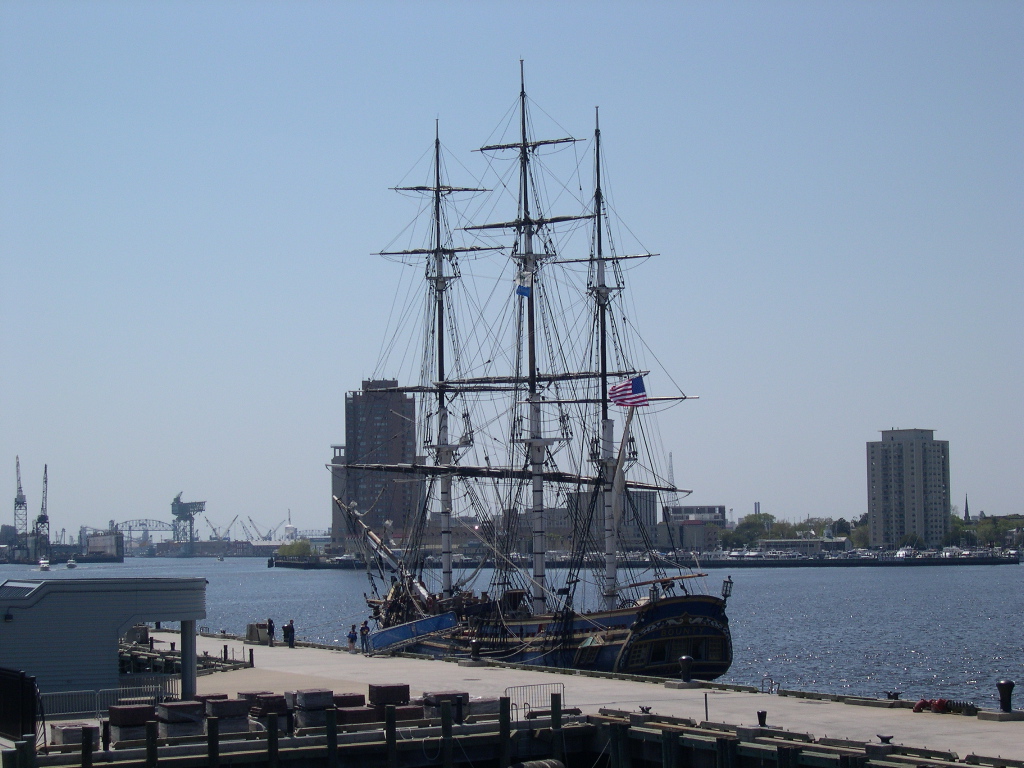
At Nauticus (the maritime museum where the Wisconsin is docked) there was also a reproduction of the H.M.S. Bounty.
Richmond
On the way to Washington, D.C. from Nauticus, we took a jaunt back to Richmond to see the Edgar Allen Poe museum. The building itself is not where Poe grew up in Richmond (apparently a strip bar now stands on that sight... :) but it is only a few blocks down, and is historically significant for being the oldest building in Richmond. I took a couple of pictures, but for the most part the museum was a lot of interesting reading and history, and wasn't terribly visual.
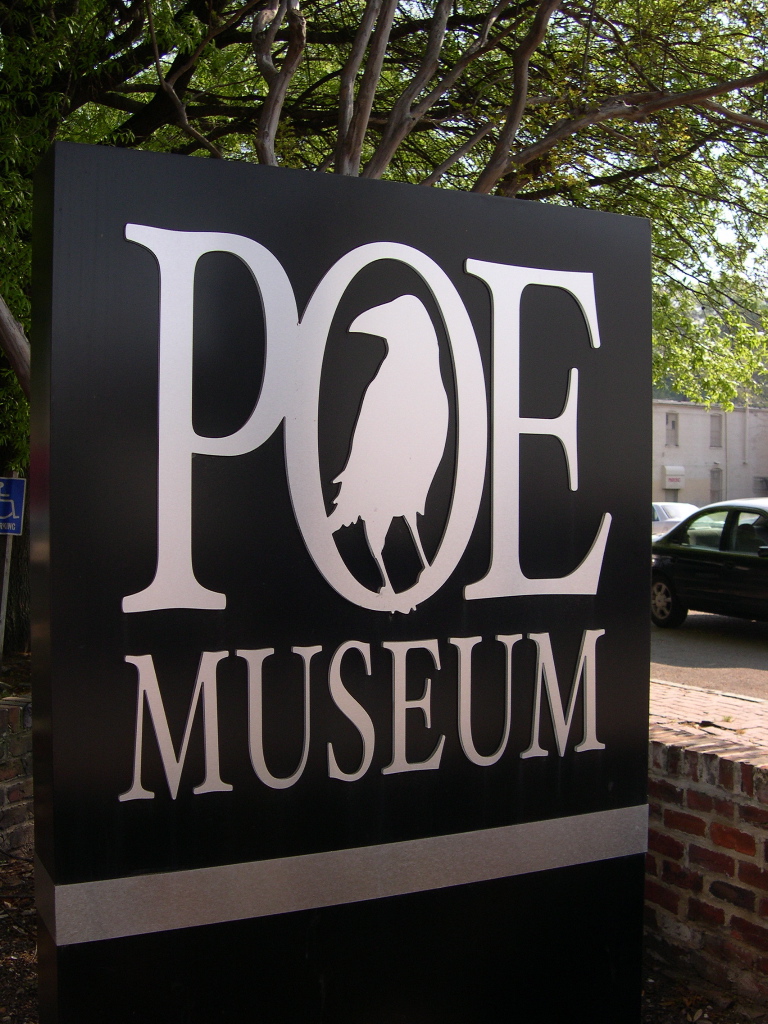
I like the raven sign at the Poe museum. :)
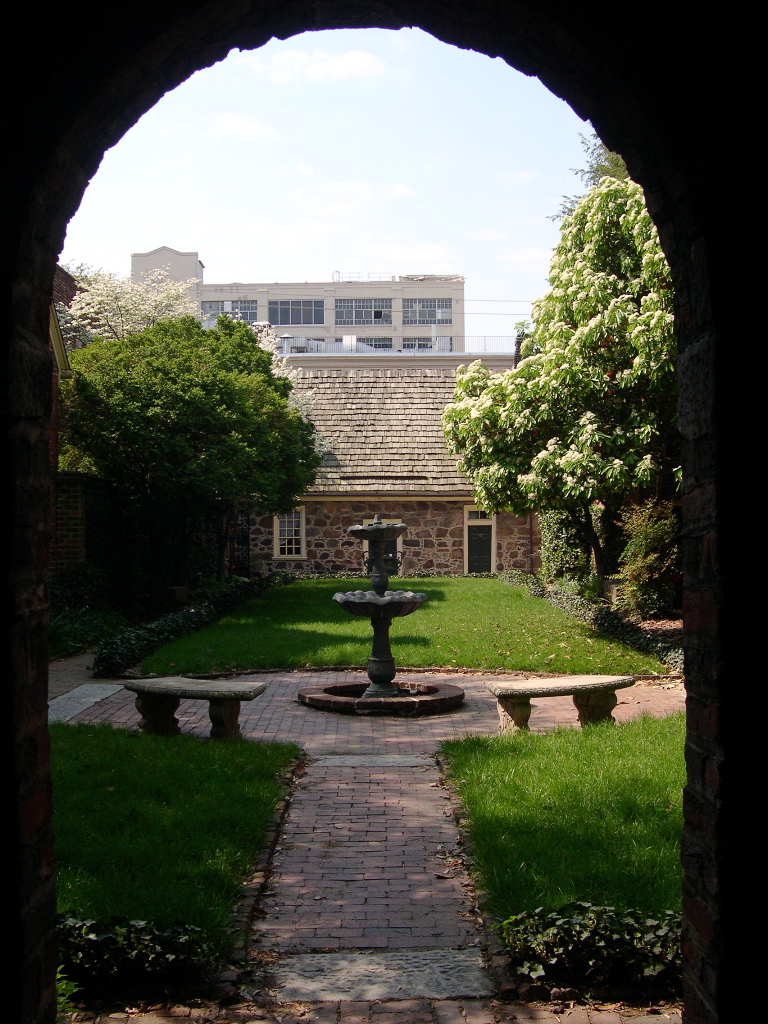
The gardens behind the museum.
Washington, D.C.
We then went on to Washington, D.C. The first day, we just walked around on the mall, it was a beautiful day and we had gotten in late in the afternoon. The next few days were spent wandering the Smithsonian museums.
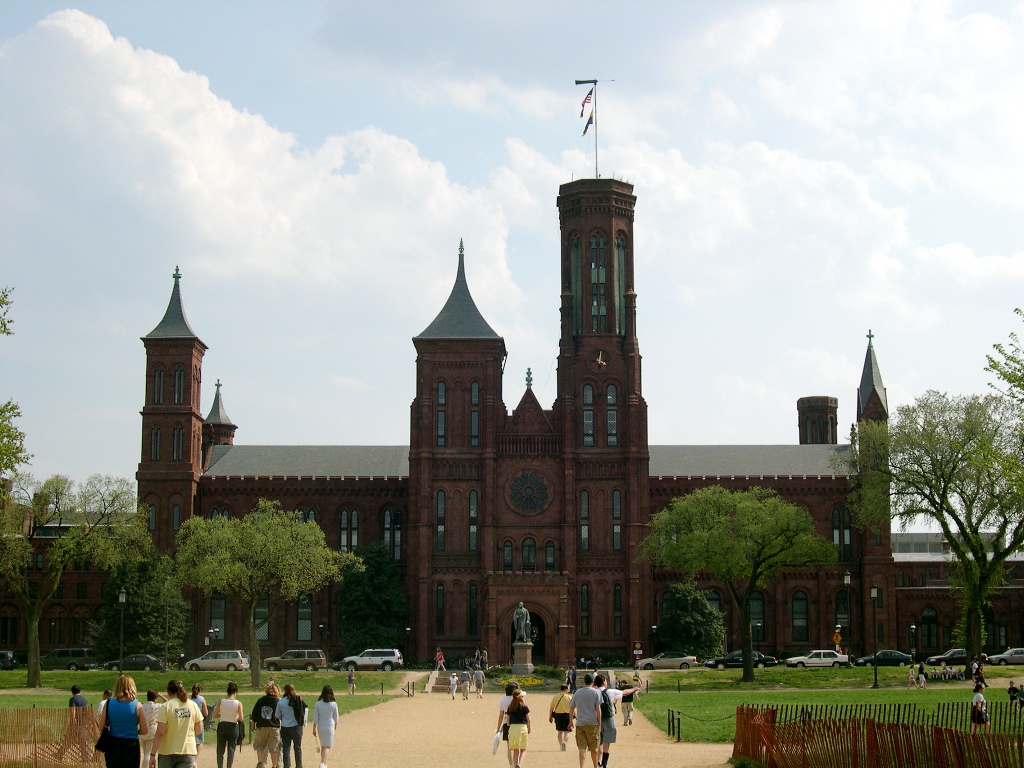
The original Smithsonian building, also known as "The Castle." Nowadays it's used for special changing exhibitions.
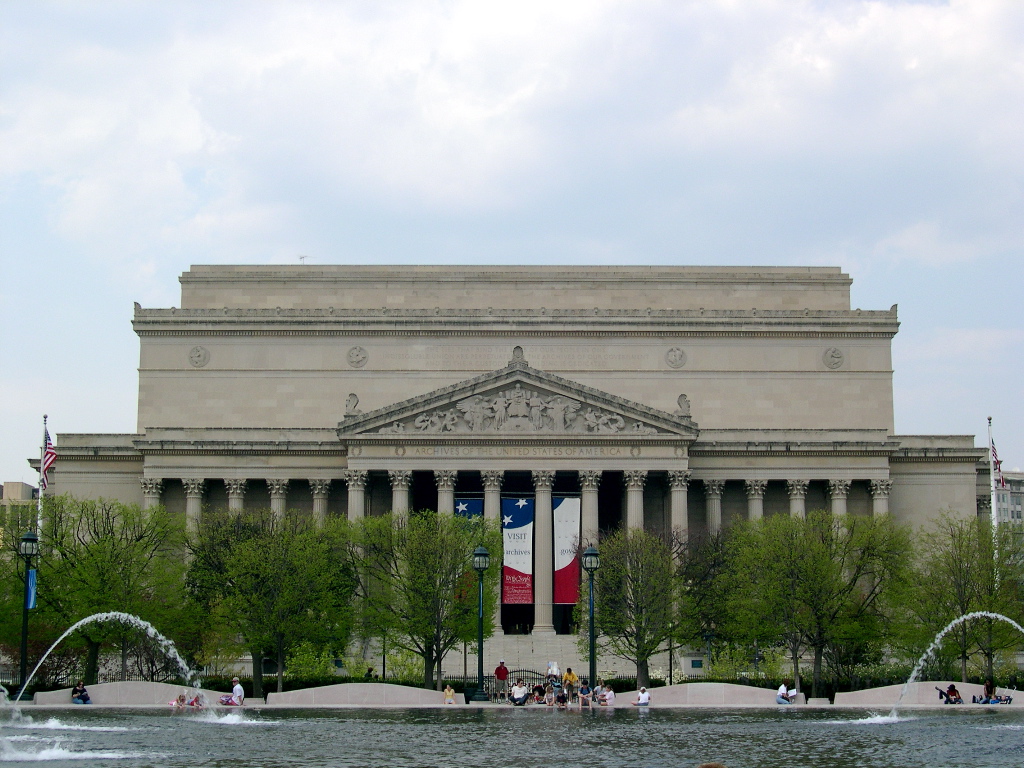
The national archives building.
Outside the modern art museum.
Don't get it.
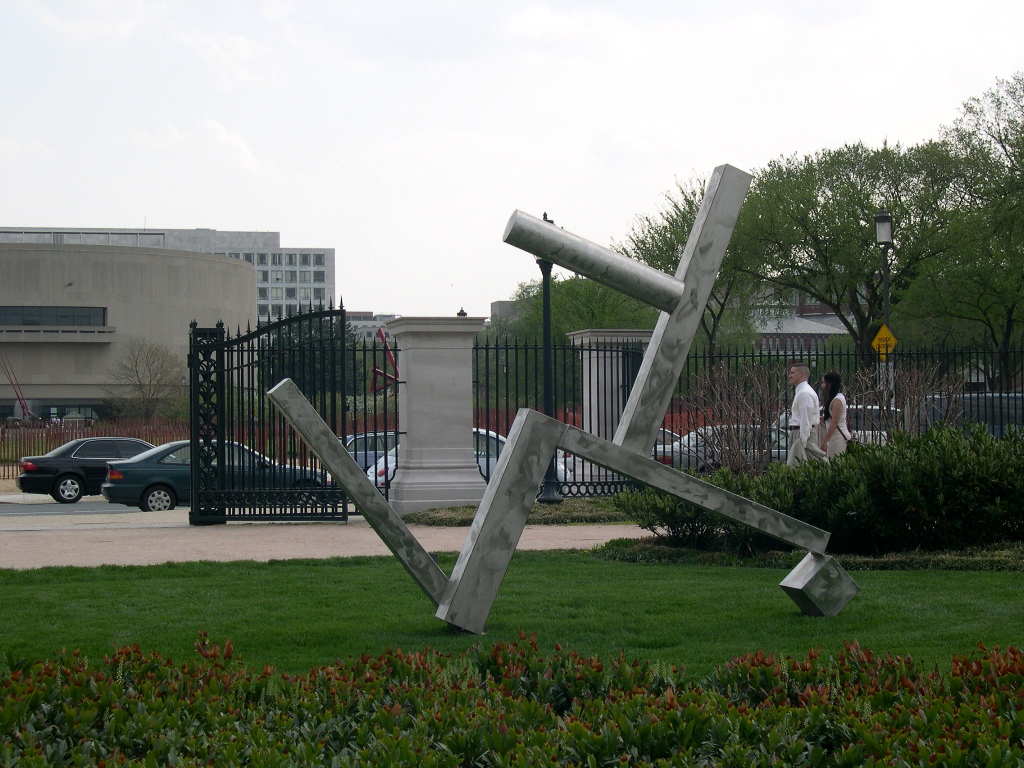
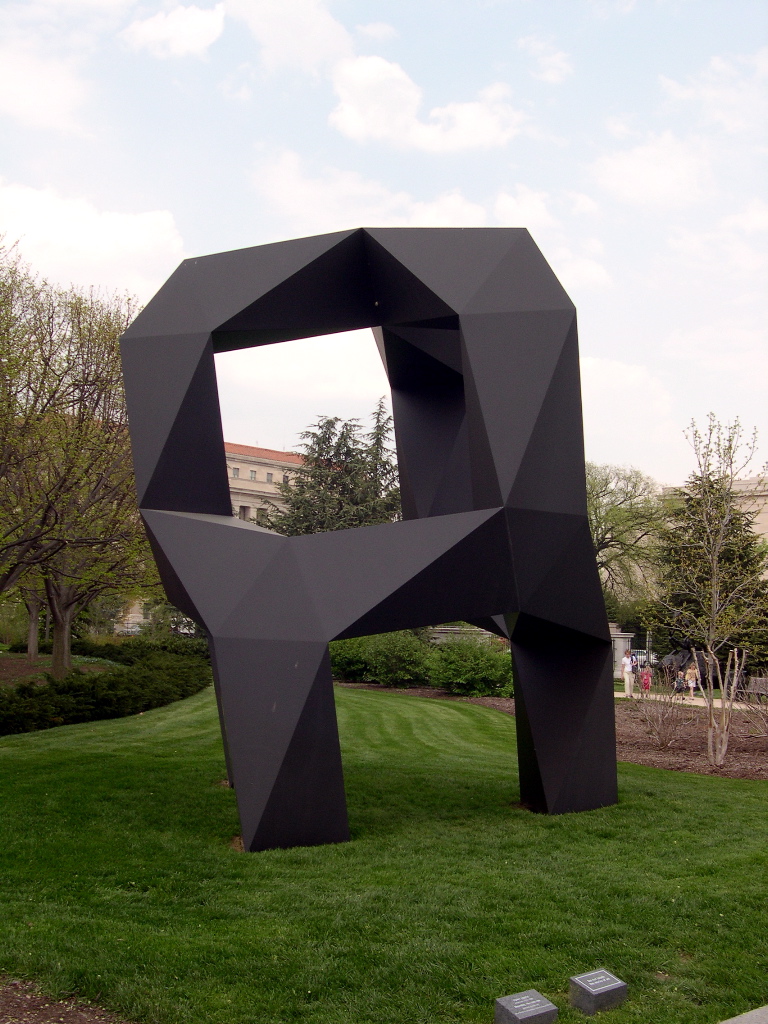
Still don't get it.
STILL don't get it.
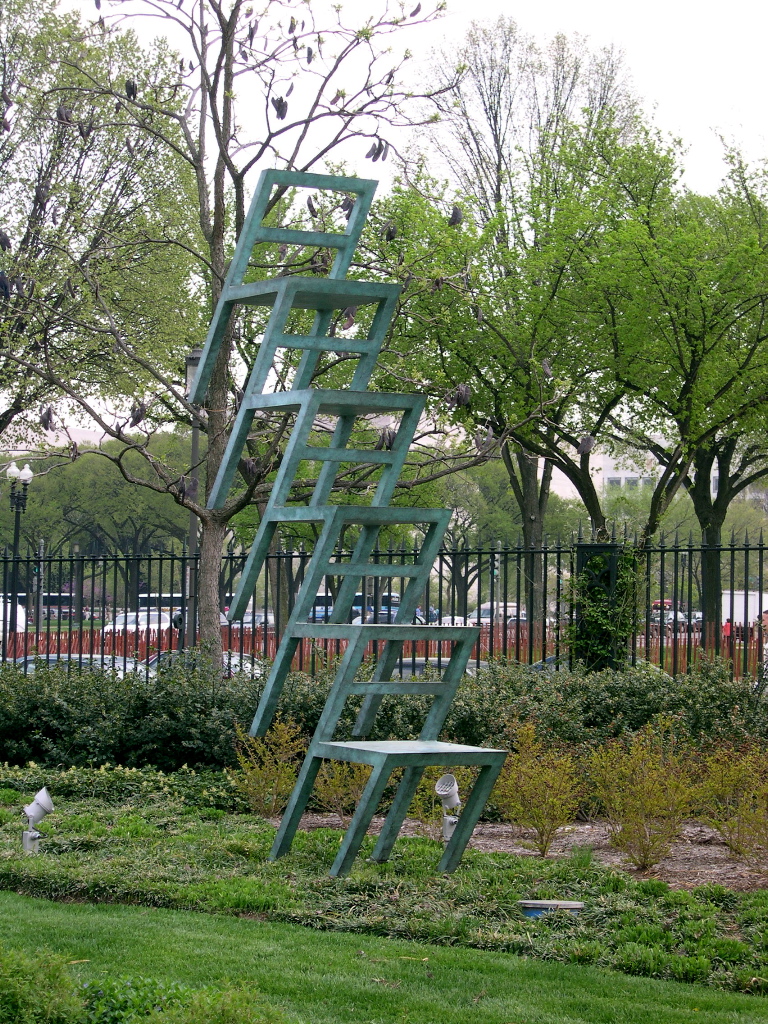
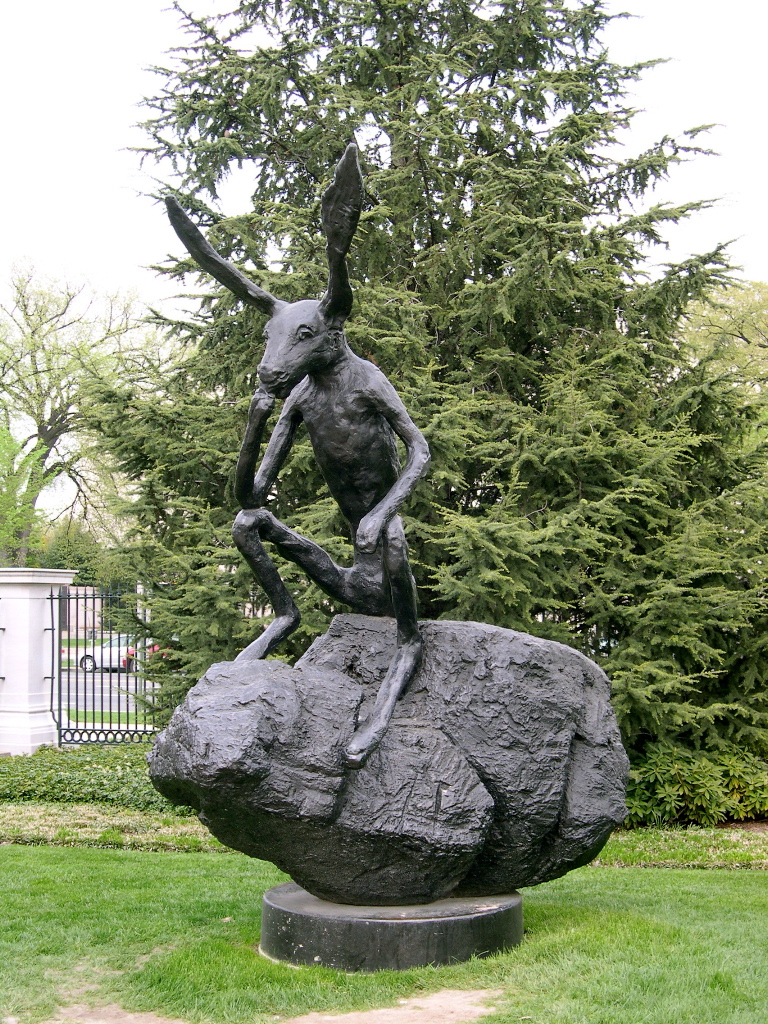
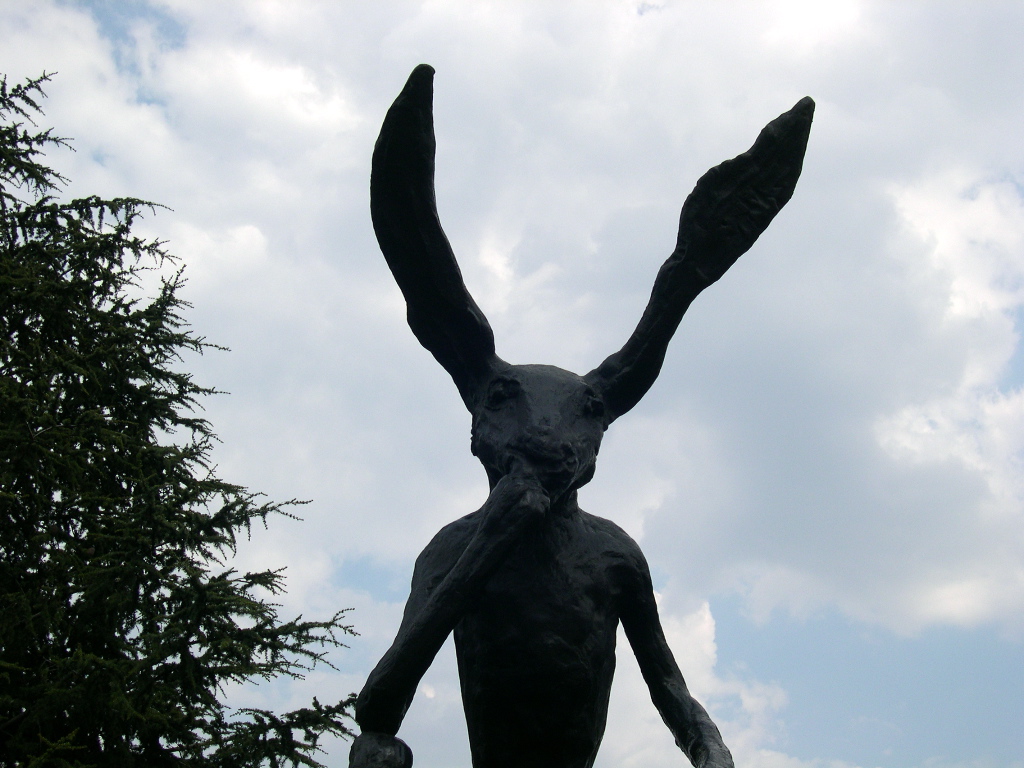
OK, I think I get it, but...
...BOY is it creepy.
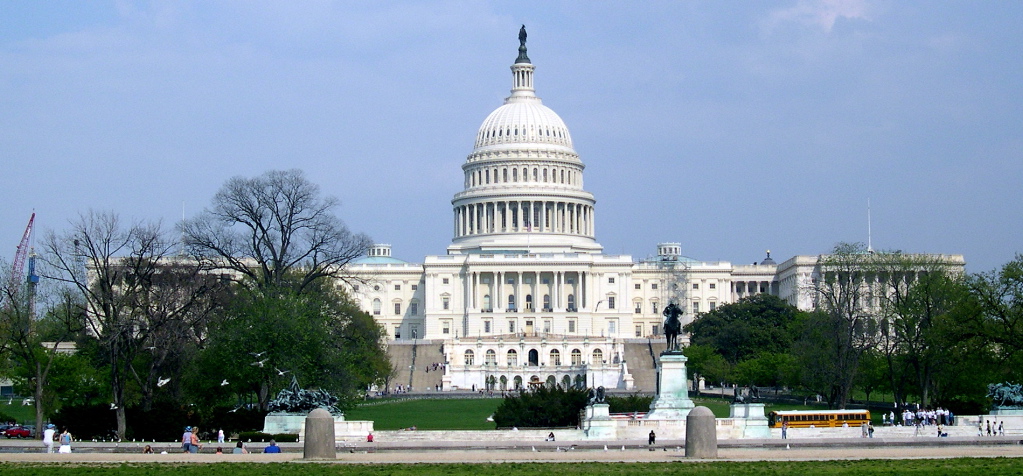
Here's a shot of the Capitol building from across the street.
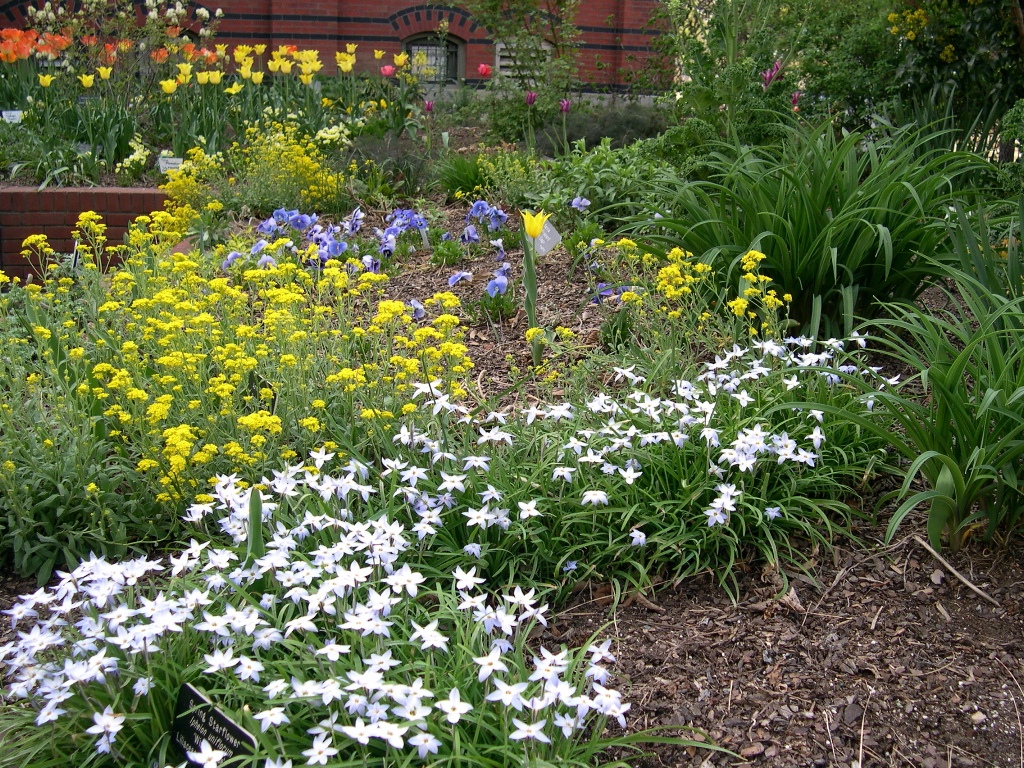
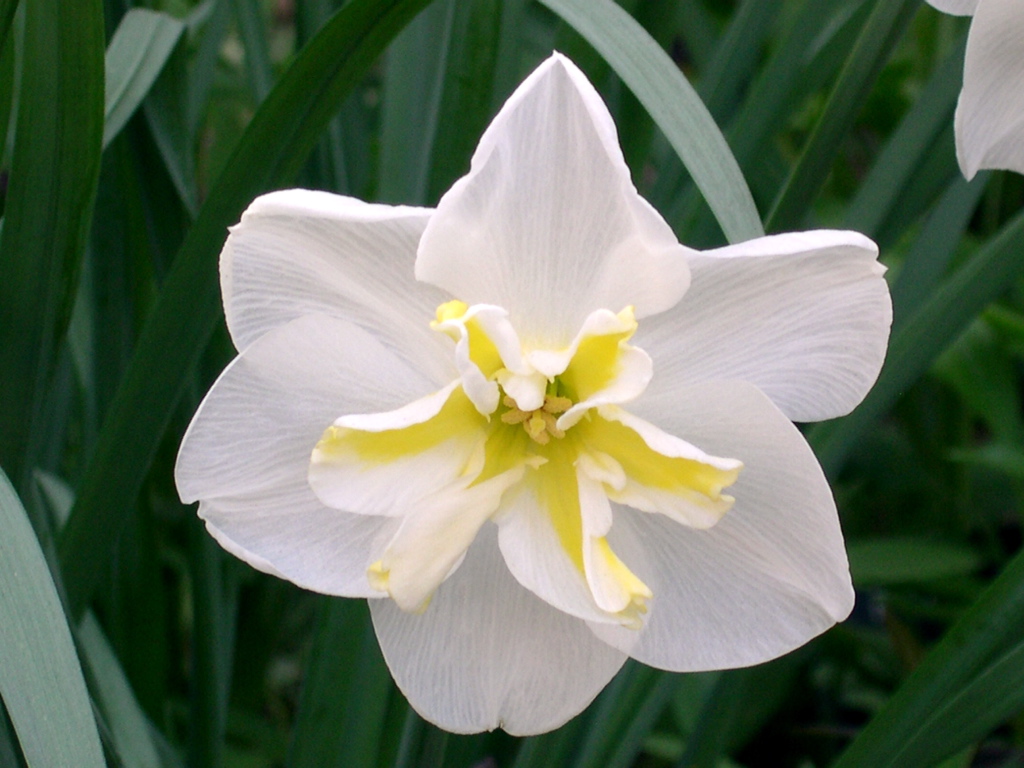
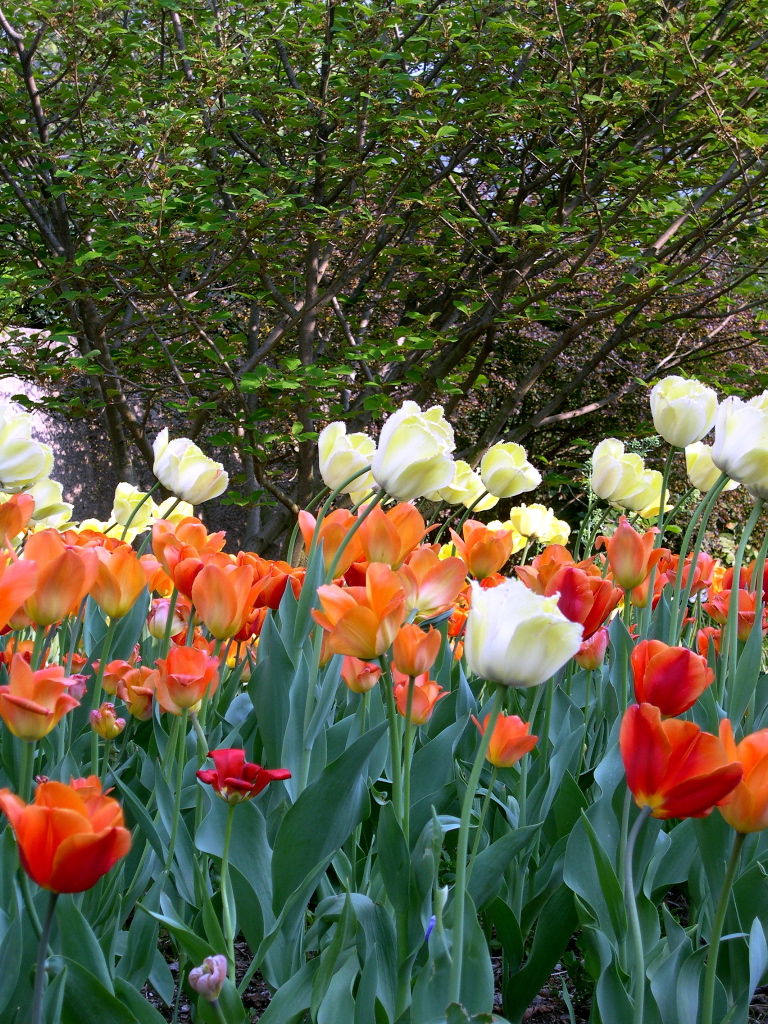
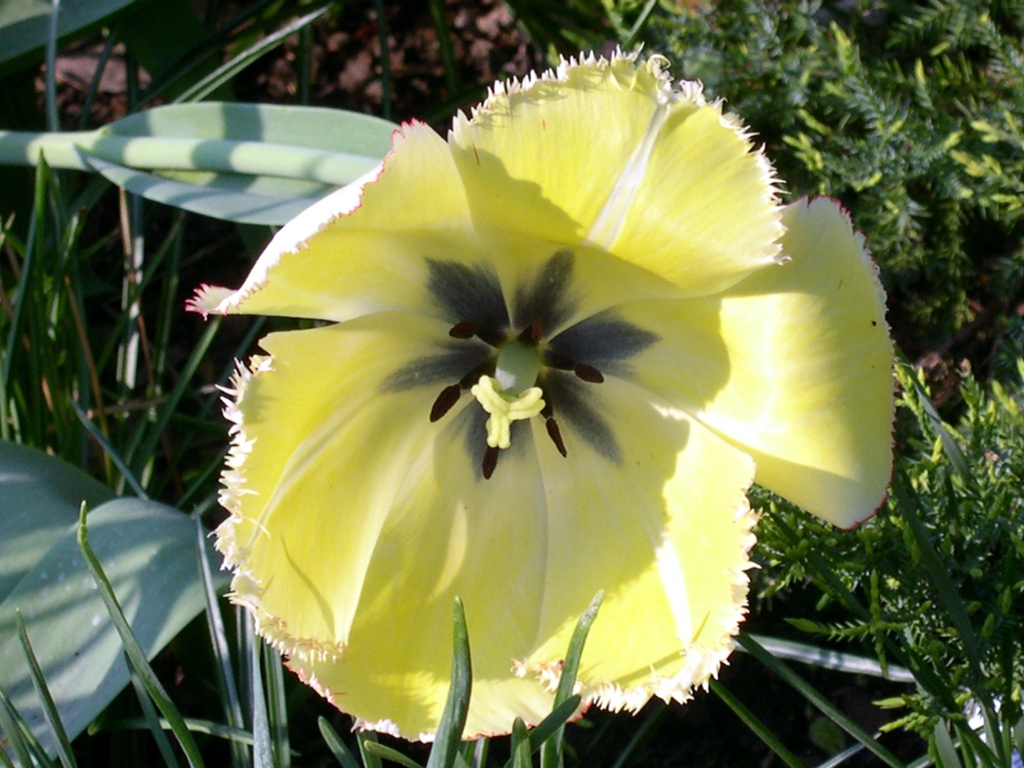
Outside the Smithsonian Castle there was a beautiful garden that we came across while walking the mall. I got a lot of great pictures, but here are a few of the ones that turned out best.

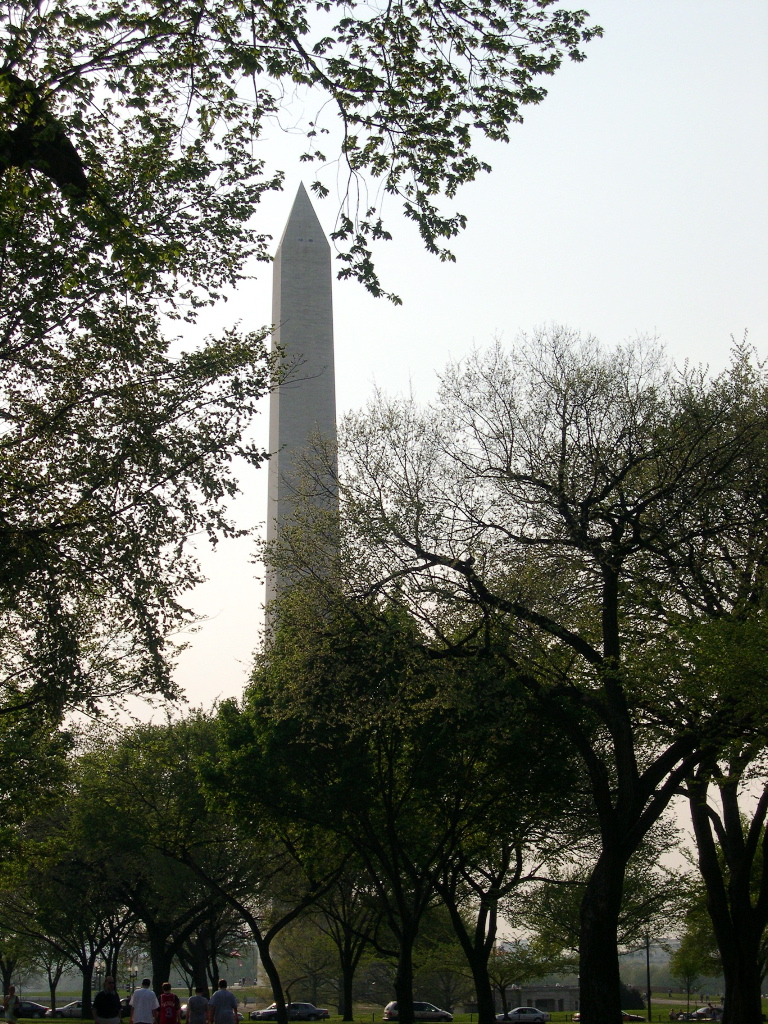
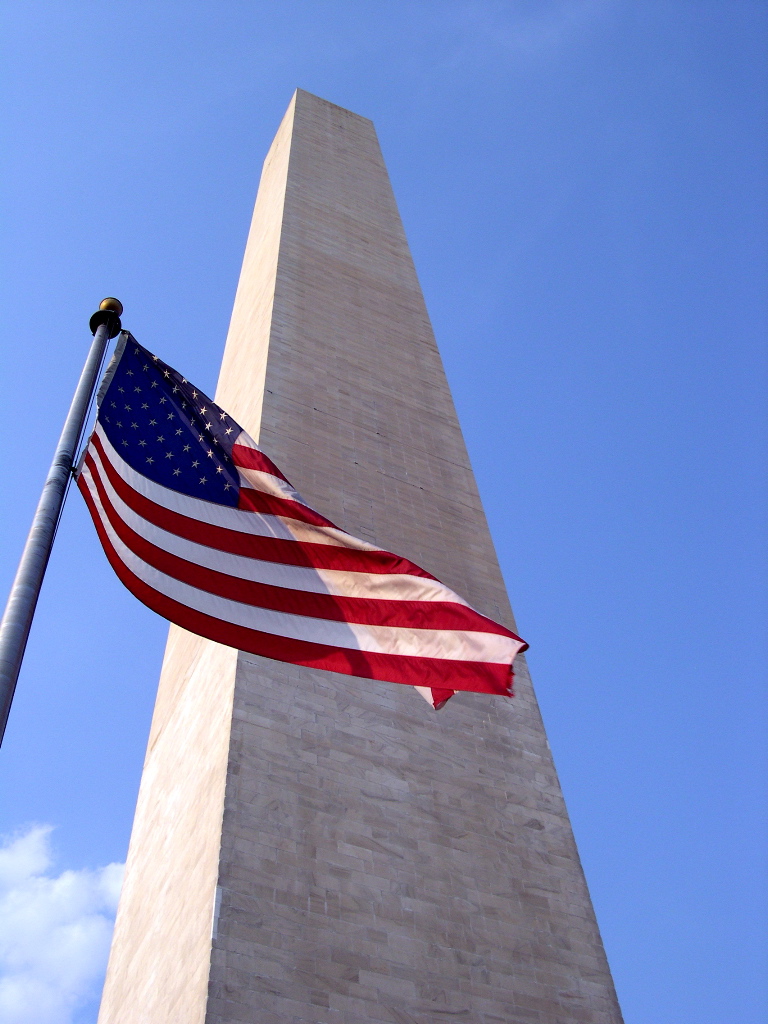
Coming up on the Washington monument, and then a shot of it from the base.
While we walked the mall, we happened upon the Twilight Tattoo. It's basically a military variety show featuring singing, dancing, and traditional military shows like precision marching, gun twirling, and a drum and bugle corps. We didn't get too close to the White House that night, but I got a fairly decent shot at high zoom while we were waiting for the show to start.
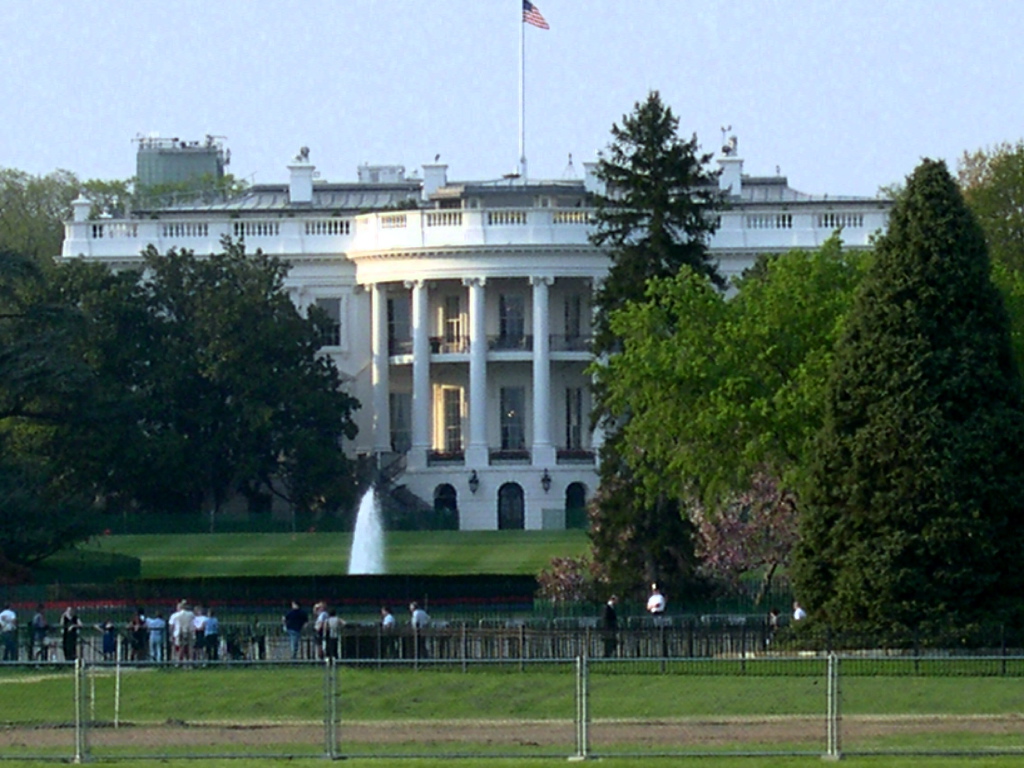
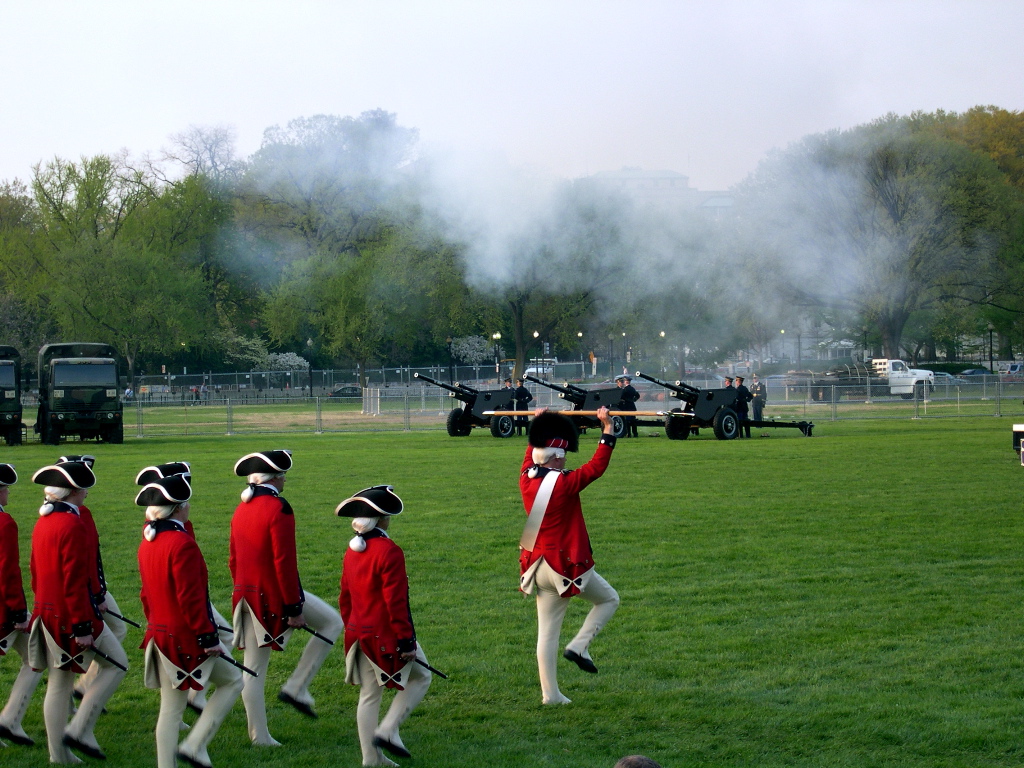
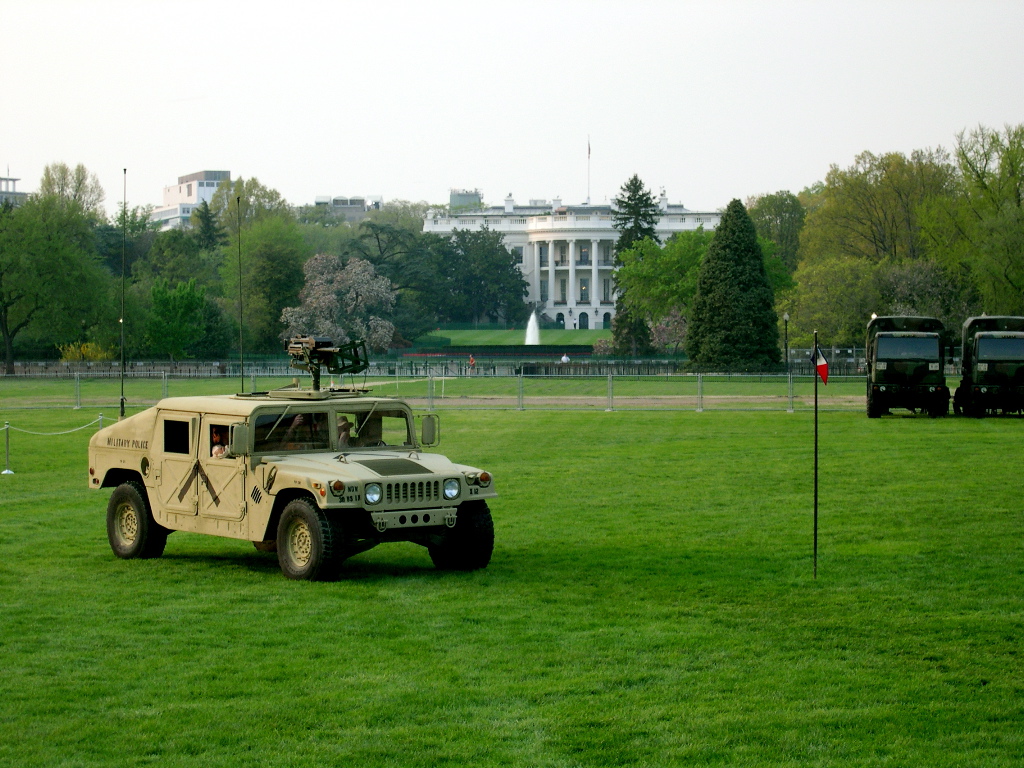
More scenes from the Twilight Tattoo. I like the Humvee situated in front of the White House, seems fitting somehow.
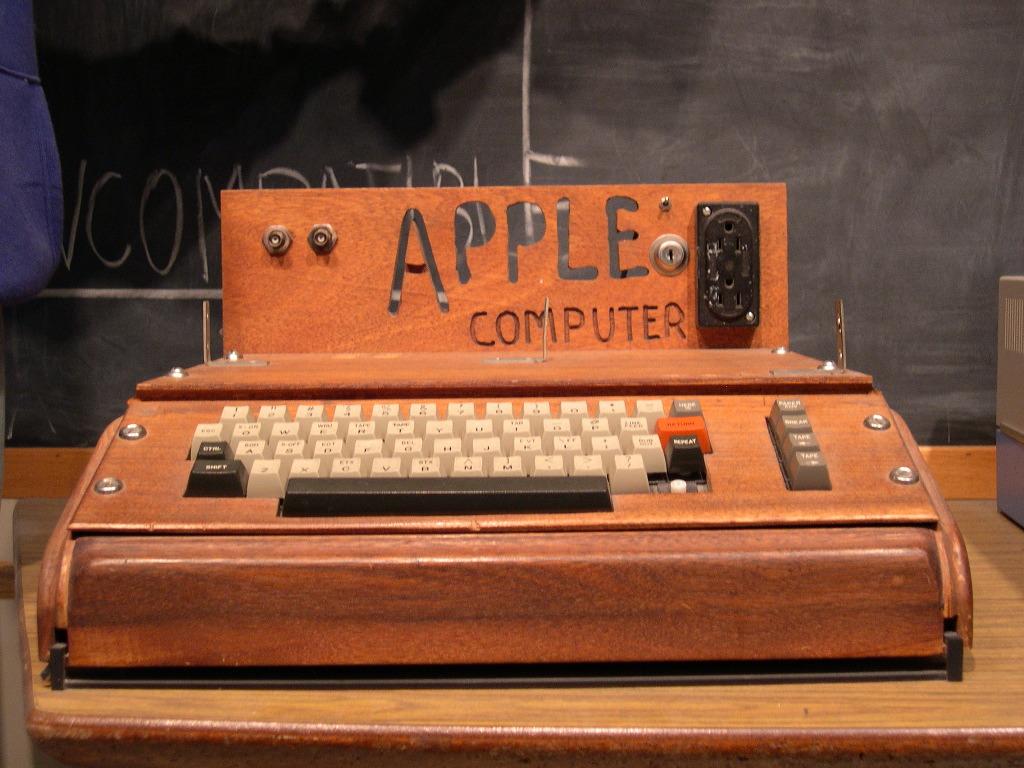
No trip is complete for a computer geek unless he gets some geeky pictures. The Altair was the first hobbyist personal computer (although it's clearly in no way usable the way we consider PCs now). And then the other computer is clearly the first Apple computer.

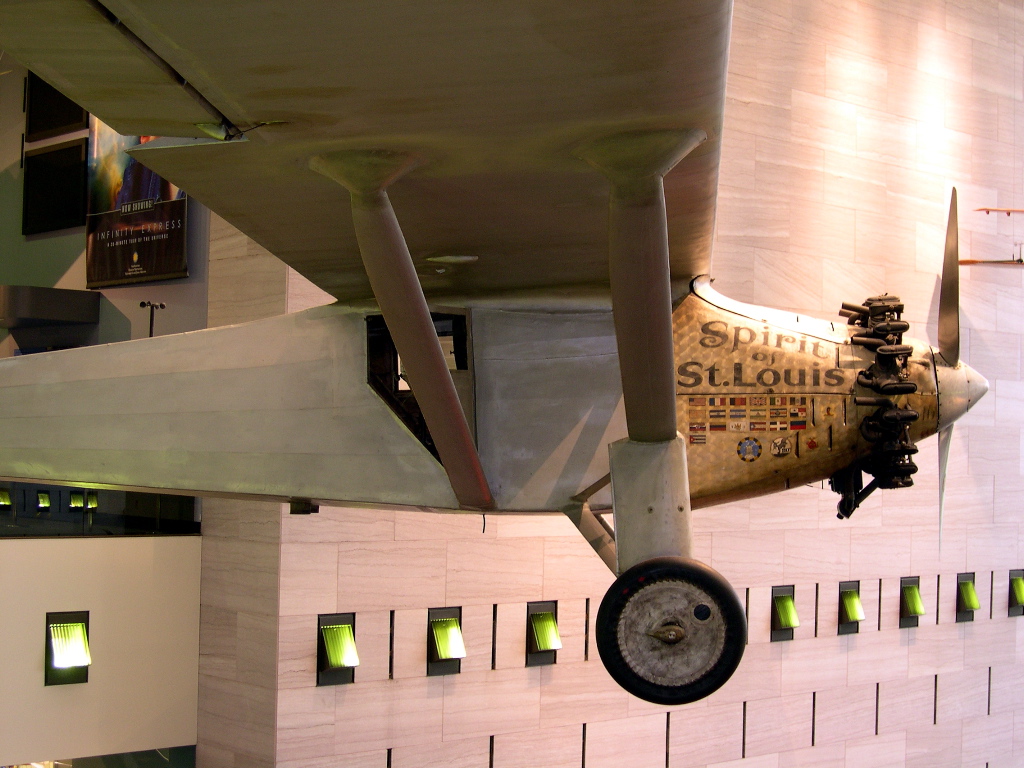
The Spirit of St. Louis. Charles Lindbergh performed the first flight from New York to Paris in this plane.
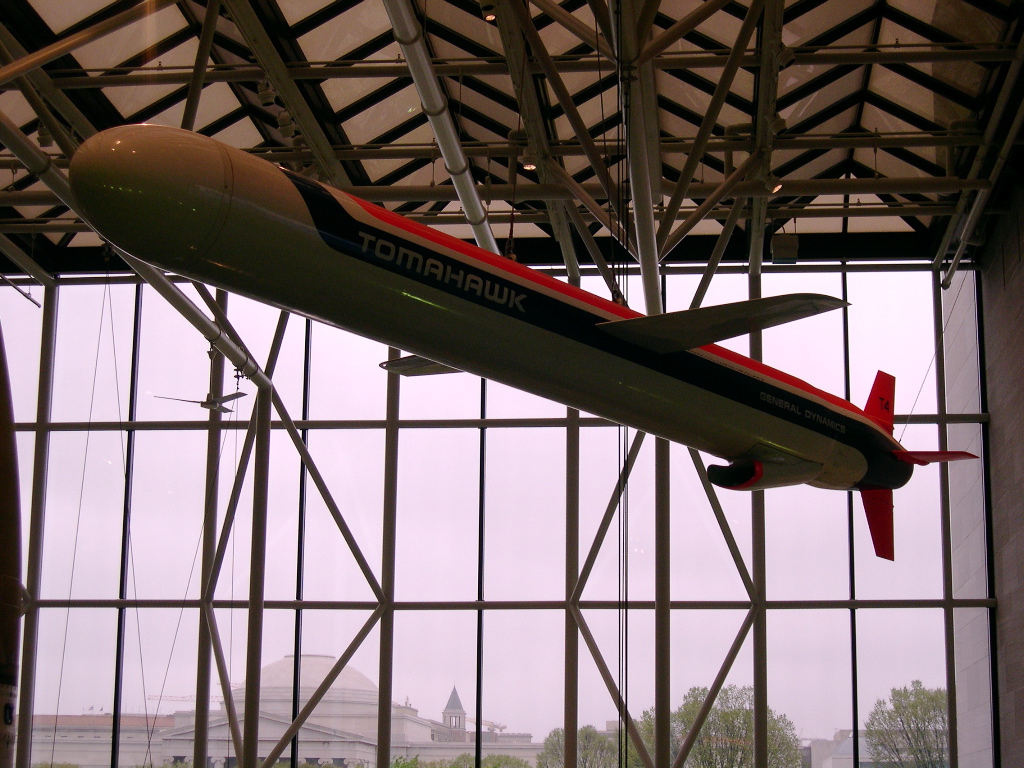
A tomahawk missile. Seemed like a timely thing to get a picture of.
Charlottesville
The final leg of our trip took us to Charlottesville, home of a number of our founding fathers. We toured an inn from the area, and then Monticello (Thomas Jefferson's home) and Ash Lawn (home of James Monroe).
Both presidents' sites mentioned the same strange fact: they died on the 4th of July. Not sure whether that's incredibly patriotic, or just creepy. :)
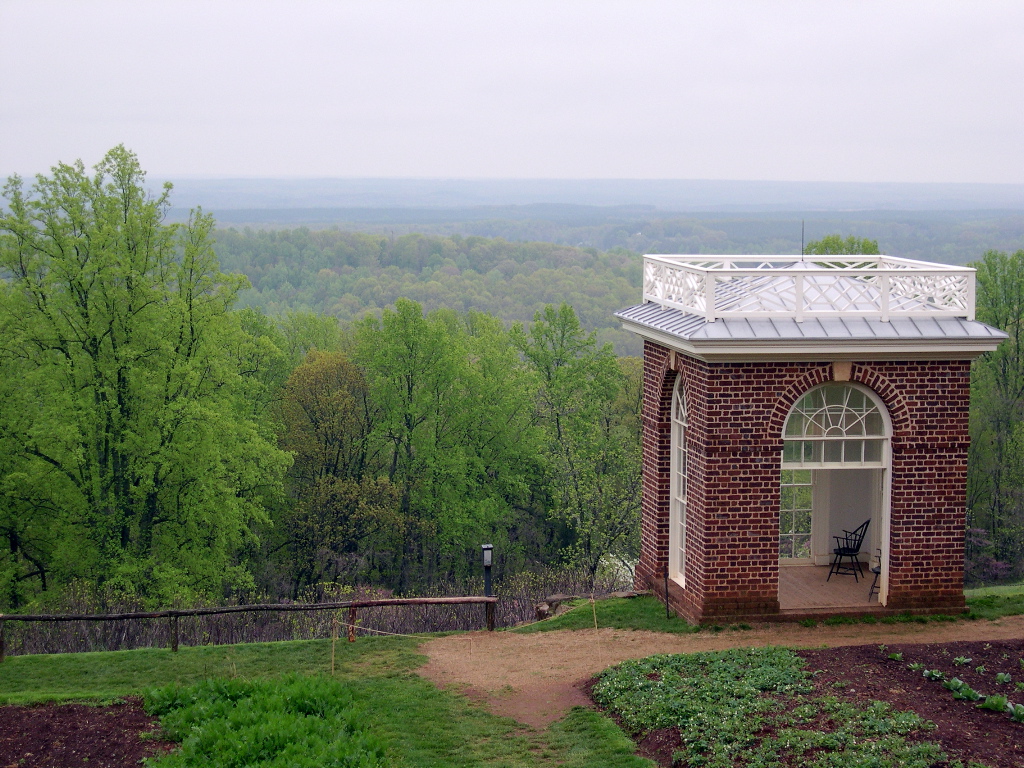
An observation tower in the Monticello vegetable gardens. The construction is rather unusual in that all 4 sides are giant double-hung windows, so they can be opened as doors or windows from any direction to allow the breeze through.
Here we're coming around the side of Monticello.
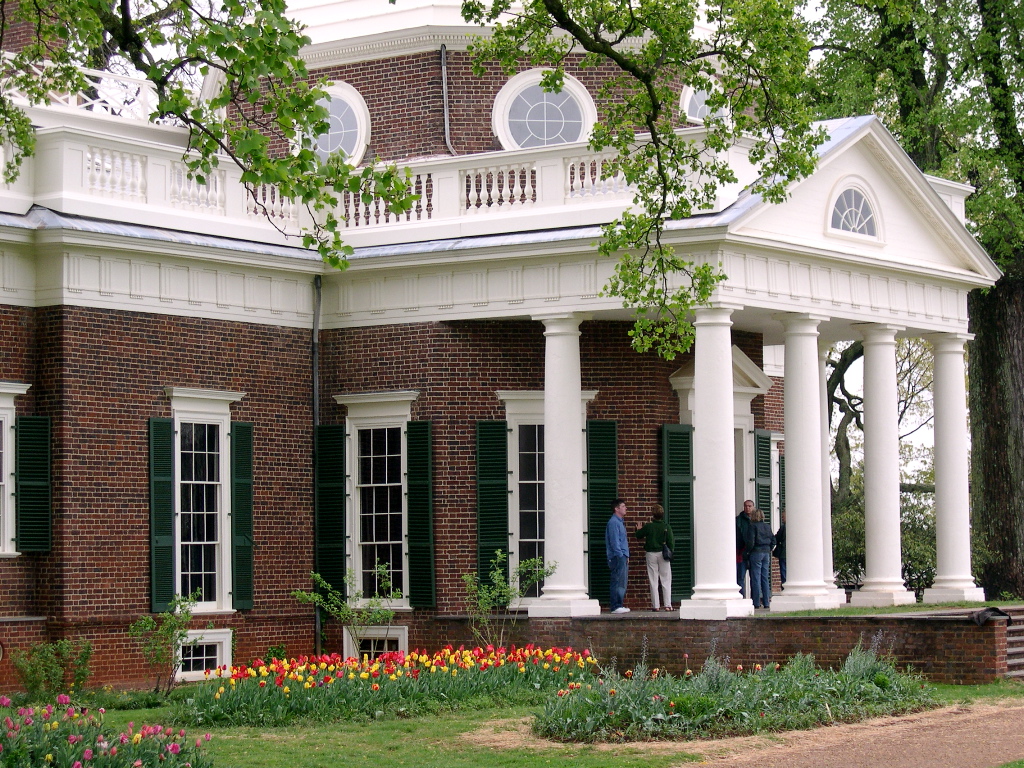
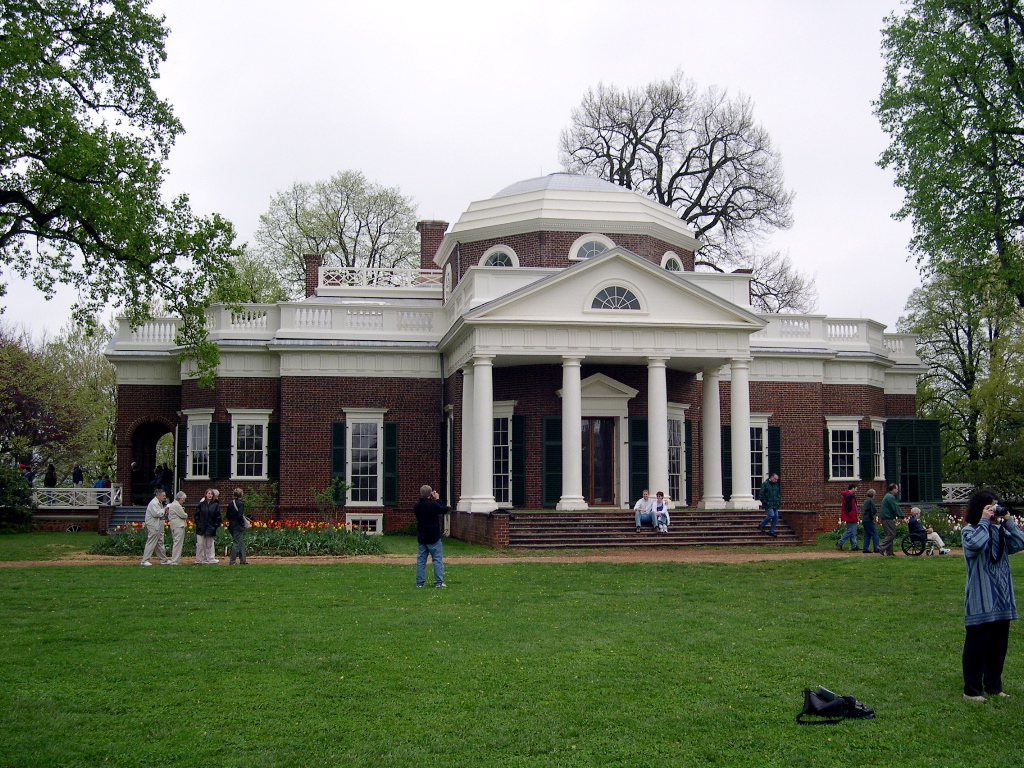
...and from this angle, you should recognize the back of a nickel. The profile on the front of the nickel is Jefferson himself. What a strange coincidence.
Here is Ash Lawn, James Monroe's house.
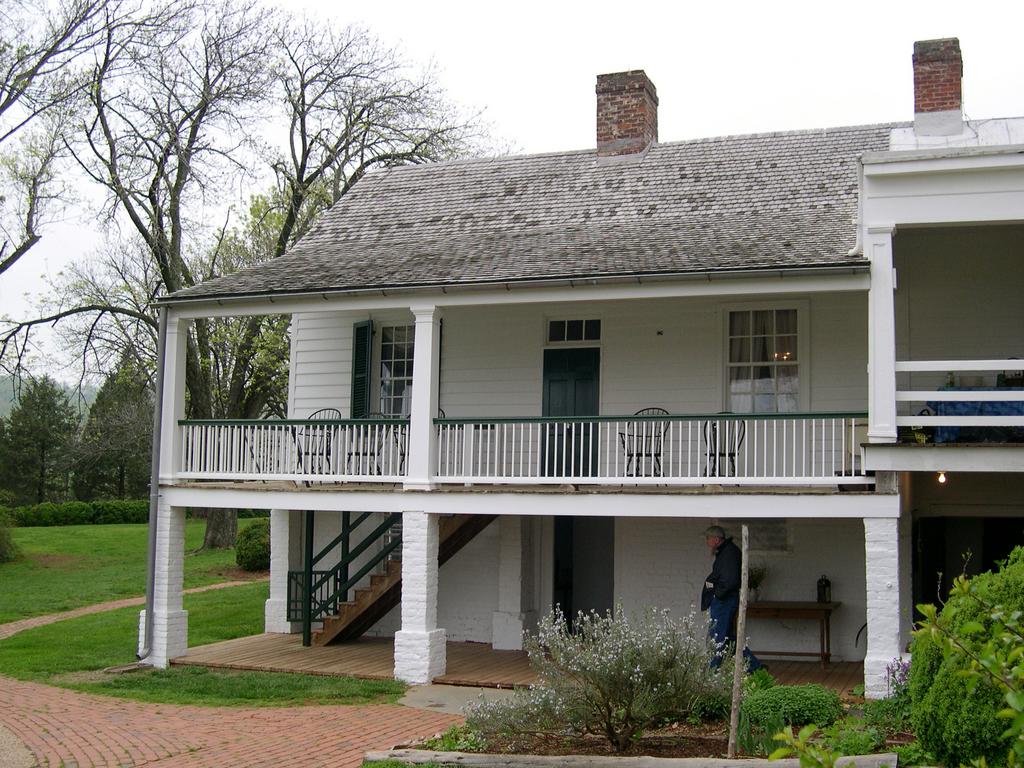
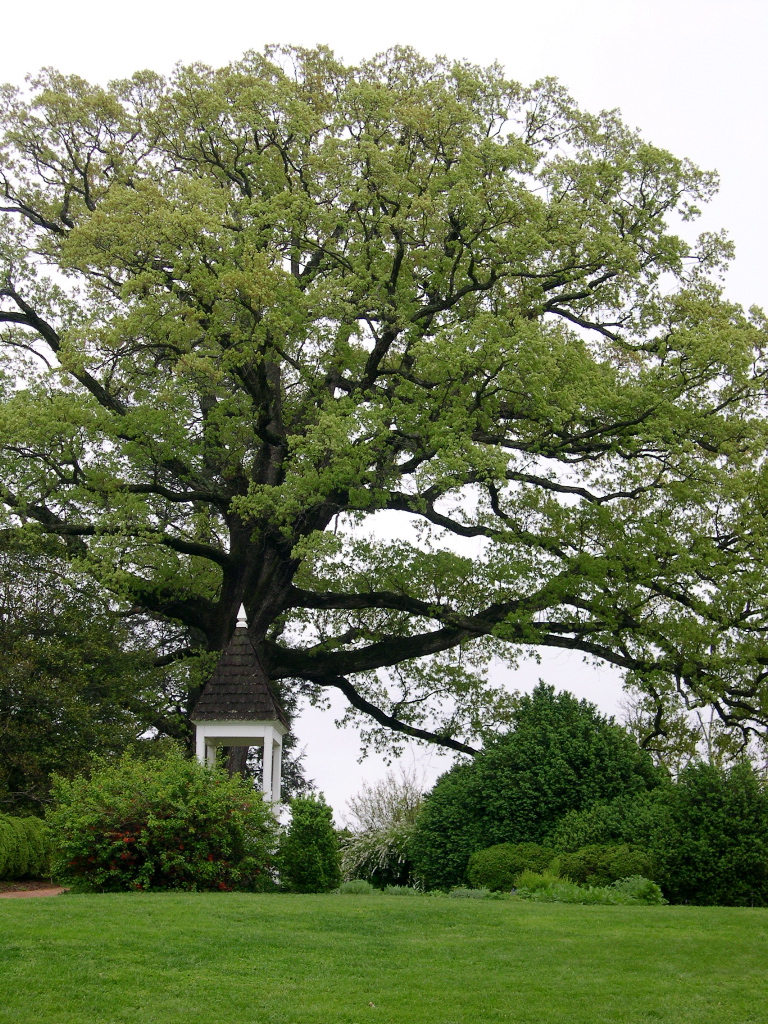
This is a giant oak tree out front of the Monroe house. The picture doesn't really do justice to it's immensity.
Thus ends our tour of some of the hilights of the pictures from my trip. Now it's time to go to bed. :)